Synchronizing Panel

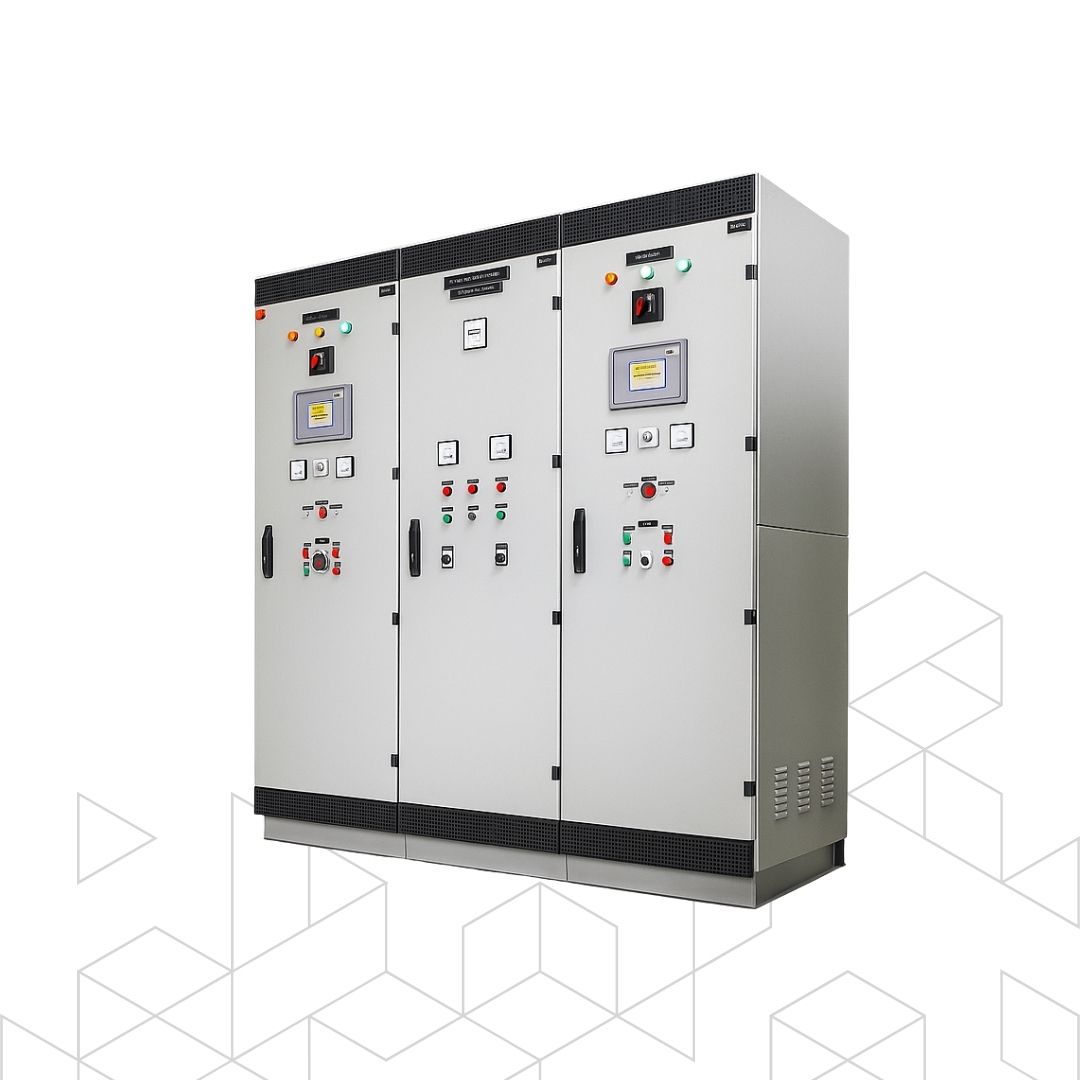
A Synchronizing Panel is an integral component in electrical power systems where multiple generators are used to supply power to a common bus or electrical grid. The primary purpose of the synchronizing panel is to ensure that the multiple power sources (generators) are synchronized in terms of frequency, phase, and voltage before connecting them to the same electrical network. Proper synchronization is crucial to prevent issues such as voltage and frequency mismatches that can lead to instability and damage in the power system.

Components and Features

Synchronizing Equipment
Includes synchronizing relays, synchronizing lamps, and other devices that measure and control the frequency, phase, and voltage of the generators.
Busbar
Connects the generators to the common electrical bus or grid.
Control Panel
Contains the necessary controls, switches, and indicators for the operator to monitor and synchronize the generators.
Protection Devices
Provides protection against overcurrent, overvoltage, and other faults that may occur during synchronization.
Metering Devices
Measures and displays parameters such as voltage, current, and power factor to facilitate proper synchronization.

Application

01
Power Plants
Synchronizing panels are commonly used in power plants where multiple generators are employed to supply power to the grid or various loads. This is especially critical in large-scale power generation facilities.
02
Islanded Systems
In scenarios where the power system is isolated or operates independently (islanded), synchronizing panels are used to connect and synchronize generators for reliable power supply.
03
Emergency Backup Systems
Synchronizing panels are utilized in situations where backup generators need to be synchronized before supplying power to critical loads during mains power failures.

Rating

product_rating_icon
Voltage Rating
The voltage rating depends on the system requirements, and synchronizing panels are designed to match the voltage of the generators and the electrical grid.
Current Rating
Current Rating
The current-carrying capacity is determined by the connected generators and the load requirements.
Be a part of Synchro’s journey.
Join us and grow your expertise.

Advantages

Grid Stability
Ensures stable and reliable operation of the electrical grid by synchronizing generators and preventing disturbances in voltage and frequency.
Prevents Transients
Synchronization panels prevent sudden changes in voltage and frequency that can occur if unsynchronized generators are connected to the grid.
7
Load Sharing
Allows multiple generators to share the load efficiently, ensuring that each generator contributes to the overall power supply without overloading any particular unit.
Automated Control
The use of synchronizing relays and automated controls simplifies the synchronization process, reducing the need for manual intervention and minimizing the risk of human error.
Grid Stability
Ensures stable and reliable operation of the electrical grid by synchronizing generators and preventing disturbances in voltage and frequency.
Prevents Transients
Synchronization panels prevent sudden changes in voltage and frequency that can occur if unsynchronized generators are connected to the grid.
Load Sharing
Allows multiple generators to share the load efficiently, ensuring that each generator contributes to the overall power supply without overloading any particular unit.
Automated Control
The use of synchronizing relays and automated controls simplifies the synchronization process, reducing the need for manual intervention and minimizing the risk of human error.

FAQ's

What is a Synchronizing Panel?

A Synchronizing Panel is an electrical control panel used to synchronize multiple power sources such as generators or a generator with the utility grid to ensure smooth and stable power supply.

What is the purpose of a Synchronizing Panel?

The main purpose of a Synchronizing Panel is to match voltage, frequency, phase sequence, and phase angle between two power sources before connecting them to the same electrical system.

Where are Synchronizing Panels commonly used?

Synchronizing Panels are commonly used in power plants, industrial facilities, commercial buildings, and backup power systems where multiple generators operate together.

How does a Synchronizing Panel work?

A Synchronizing Panel monitors electrical parameters such as voltage, frequency, and phase angle of different power sources and ensures they are properly matched before connecting them to the system.

What components are included in a Synchronizing Panel?

A Synchronizing Panel typically includes synchronizing relays, controllers, meters, circuit breakers, switches, and protection devices for safe and reliable operation.

What are the advantages of using a Synchronizing Panel?

Synchronizing Panels help ensure uninterrupted power supply, improve load sharing between generators, enhance system stability, and protect electrical equipment from faults.

Can Synchronizing Panels support multiple generators?

Yes, Synchronizing Panels are designed to manage and synchronize multiple generators, allowing them to operate together and share electrical loads efficiently.

Can Synchronizing Panels be customized for different power systems?

Yes, Synchronizing Panels can be designed based on the number of generators, system capacity, voltage ratings, and specific operational requirements.

Contact

Address:

Plot No. 35 to 40, Ravaki Rev. Sur. No. 670, Pushti Parishar Industrial Area, Near Maa Khodal Ind-1, Ravki, Taluka Lodhika, Rajkot, Gujarat, India – 360004

Welcome to Synchro Electricals

We provide trusted, high-performance electrical solutions tailored for every industry.

Welcome to Synchro Electricals

We provide trusted, high-performance electrical solutions tailored for every industry.

Apply For Job